


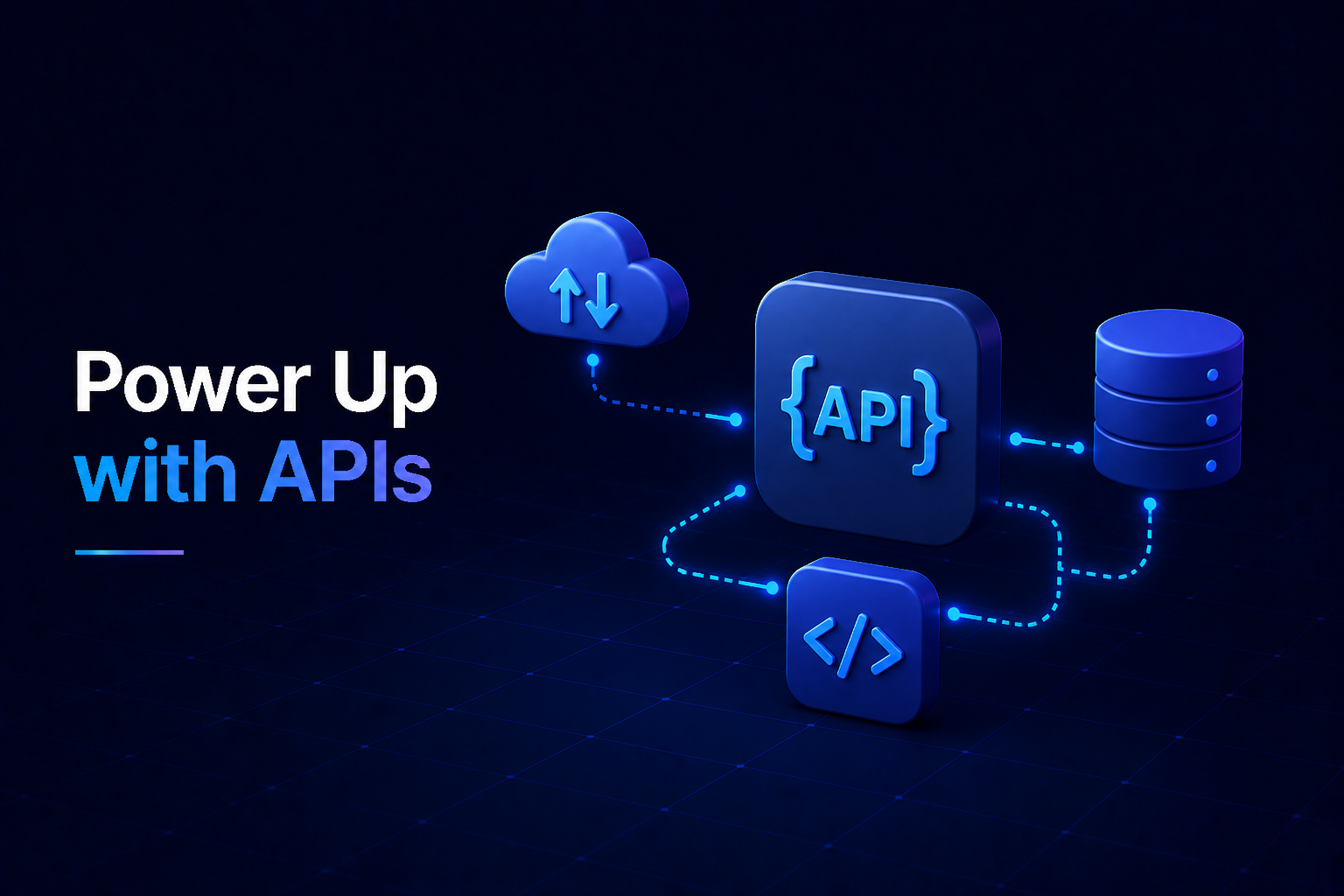
In today’s fast-evolving digital landscape, modern web development demands more than just building static pages. It’s about creating dynamic, interconnected experiences. This is where API integration plays a pivotal role, transforming how applications communicate and share data, ultimately enhancing your web development projects.
The Power of Seamless Connectivity
At its core, API integration allows different software applications to talk to each other. An Application Programming Interface (API) acts as a bridge, enabling your web application to access functionalities, data, or services from external systems without having to build them from scratch. Think of it as plugging in a pre-made component rather than engineering it yourself.
This seamless connectivity means your web development projects can leverage a vast ecosystem of existing tools and services. From retrieving real-time weather data to integrating complex analytics, APIs make it all possible, creating a richer, more functional user experience.
Accelerating Development Cycles
One of the most significant advantages of API integration is the speed it brings to web development. Instead of spending valuable time and resources developing every feature in-house, developers can integrate ready-made solutions via APIs. This approach drastically reduces development time and costs.
- Reduced Coding: Less custom code needs to be written.
- Faster Time-to-Market: Projects can launch quicker, giving you a competitive edge.
- Resource Optimization: Developers can focus on core functionalities unique to your project.
By relying on established and tested APIs, the development team can streamline workflows and deliver high-quality products more efficiently.
Enhancing User Experience and Functionality
API integration empowers web development projects to offer a broader range of features and a superior user experience. Imagine an e-commerce site without a secure payment gateway or a travel site without interactive maps. These crucial functionalities are often delivered through robust APIs.
Integrating APIs can bring:
- Rich Features: Add functionalities like social media logins, mapping services, chatbots, or video streaming.
- Personalization: Deliver tailored content based on user data accessed through APIs.
- Real-time Data: Provide up-to-the-minute information, enhancing relevance and engagement.
Ultimately, a well-integrated web application feels more complete, responsive, and valuable to its users.
Scalability and Future-Proofing Your Projects
Modern web development isn’t just about launching a product; it’s about ensuring its long-term viability. API integration builds a flexible and scalable architecture for your applications. As your project grows, you can easily add new services or swap out existing ones without a complete overhaul.
This modular approach means your web development project can adapt to new technologies and user demands with greater agility. It allows for easier maintenance, updates, and the seamless addition of future functionalities, ensuring your application remains relevant and robust over time.
Conclusion
Clearly, API integration is no longer an optional add-on but a fundamental component of successful web development. It drives efficiency, enriches functionality, and sets the stage for scalable, future-proof applications. Embracing API integration means building more powerful, user-centric, and competitive digital experiences, empowering your web development projects to reach their full potential.


No Comments