



As we approach 2026, the digital landscape continues its rapid evolution, making it more critical than ever for businesses and individuals to adopt forward-thinking approaches to their online presence. Staying ahead means understanding and implementing the latest website development best practices. The goal isn’t just to build a website, but to create a dynamic, secure, and highly engaging digital experience that stands the test of time.
Embracing Hyper-Personalization and AI-Driven UX
In 2026, generic websites will struggle to capture and retain attention. One of the paramount website development best practices is to move towards hyper-personalized user experiences. Leveraging artificial intelligence and machine learning, websites can offer tailored content, product recommendations, and navigation paths based on individual user behavior, preferences, and even emotional cues. Think predictive search, intelligent chatbots, and adaptive layouts that learn from every interaction.
- AI-Powered Content Delivery: Dynamically present content that resonates with specific user segments.
- Intelligent Chatbots & Virtual Assistants: Enhance customer support and guide users through complex processes seamlessly.
- Personalized User Journeys: Adapt the site’s flow in real-time to optimize conversions and engagement.
Uncompromising Performance and Core Web Vitals
Speed and responsiveness have always been crucial, but by 2026, they will be non-negotiable foundations for any successful website. Google’s Core Web Vitals will continue to shape SEO and user satisfaction, pushing developers to optimize every aspect of site performance. Adhering to these website development best practices means focusing on lightning-fast load times, smooth interactivity, and stable content layouts across all devices.
Optimizing for Speed and Responsiveness
Achieving top-tier performance involves more than just image optimization. It demands efficient code, smart caching strategies, server-side rendering, and leveraging modern front-end frameworks. Mobile-first indexing reinforces the necessity for impeccably responsive designs that provide an equally rich experience on smartphones, tablets, and desktops.
- Lazy Loading & Code Splitting: Improve initial load times by only loading necessary resources.
- Advanced Caching Mechanisms: Reduce server load and speed up subsequent visits.
- Server-Side Rendering (SSR) & Static Site Generation (SSG): Boost initial page load and SEO.
Fortified Security and Privacy by Design
With increasing cyber threats and evolving privacy regulations worldwide, security is no longer an add-on; it’s an integral part of the initial design phase. Implementing robust website development best practices for security means adopting a “privacy by design” approach, ensuring user data is protected from the ground up. SSL certificates are just the starting point.
- End-to-End Encryption: Protect all data in transit and at rest.
- Regular Security Audits & Penetration Testing: Proactively identify and fix vulnerabilities.
- Compliance with Data Regulations: Adhere to GDPR, CCPA, and upcoming privacy laws globally.
- Strong Authentication Methods: Implement multi-factor authentication where appropriate.
Adopting a Headless Architecture and API-First Approach
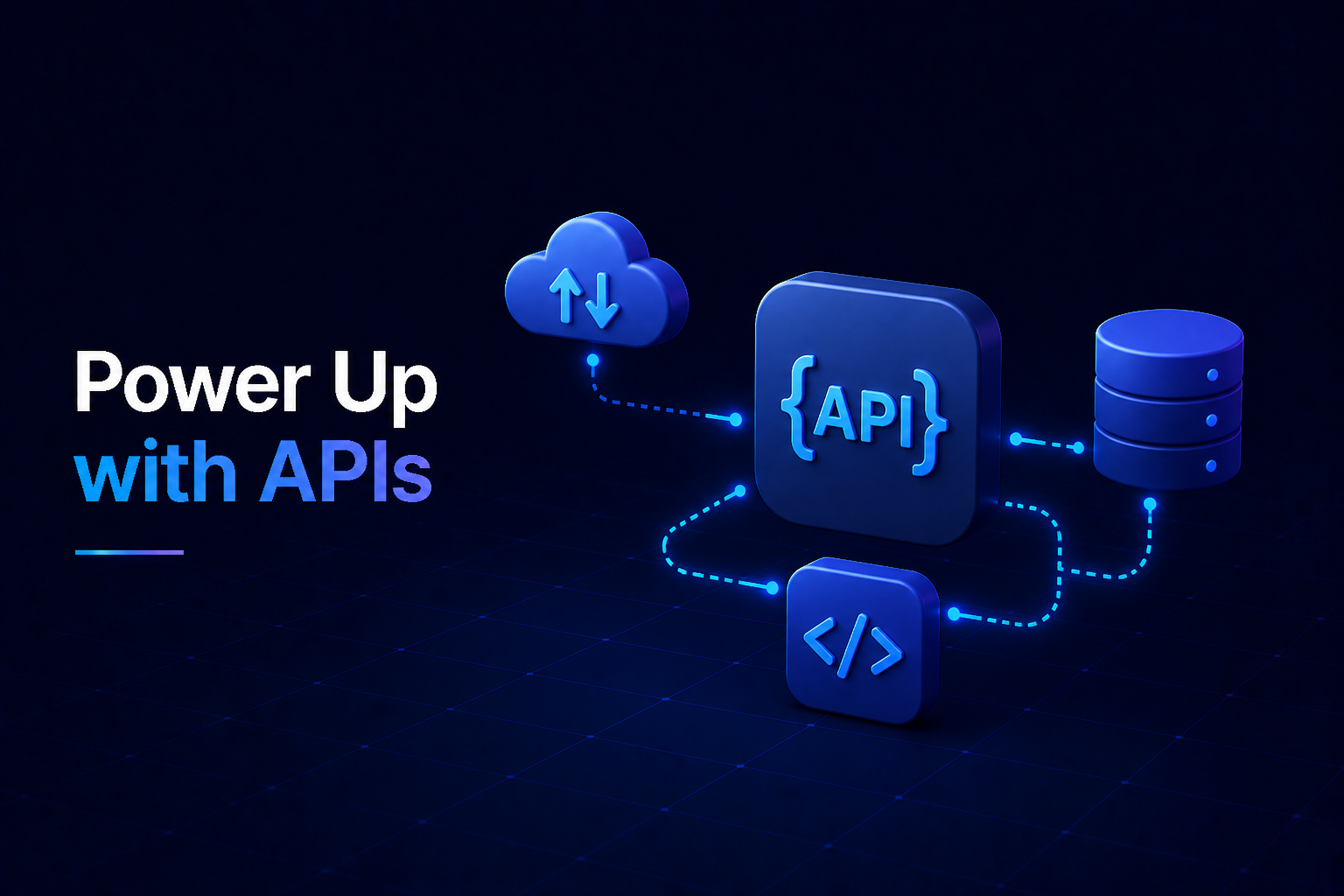
Flexibility and scalability are key drivers for future-proof websites. The headless CMS and API-first approach are gaining immense traction as modern website development best practices. This architecture decouples the front-end presentation layer from the back-end content repository, allowing for greater freedom in design, faster iterations, and seamless integration with various platforms and devices, including IoT.
Benefits of Decoupled Development
By treating content as data accessed via APIs, developers can use their preferred front-end technologies (React, Vue, Angular) and deploy content to multiple channels simultaneously from a single source. This not only streamlines development but also makes it easier to adapt to new technologies and expand digital reach.
- Enhanced Flexibility: Choose the best front-end for each project without back-end constraints.
- Future-Proofing: Easily swap out components or integrate new technologies.
- Multi-Channel Delivery: Distribute content effortlessly to web, mobile apps, smart devices, and more.
Accessibility and Inclusivity as a Standard
In 2026, building an accessible website isn’t just a legal requirement for many; it’s a fundamental ethical and business imperative. True website development best practices ensure that everyone, regardless of ability or disability, can access and interact with your site effectively. This means designing with WCAG (Web Content Accessibility Guidelines) in mind from the very beginning.
- Semantic HTML: Use correct HTML elements to convey structure and meaning.
- Keyboard Navigation: Ensure all interactive elements are usable without a mouse.
- Alternative Text for Images: Provide descriptions for screen readers.
- Color Contrast & Readability: Design for users with visual impairments.
The landscape of web development is constantly shifting, but by focusing on these core website development best practices for 2026, you can ensure your digital presence is not only current but also poised for future success. Prioritizing personalization, performance, security, flexible architecture, and inclusivity will lay a robust foundation for an engaging and effective online experience.



No Comments