


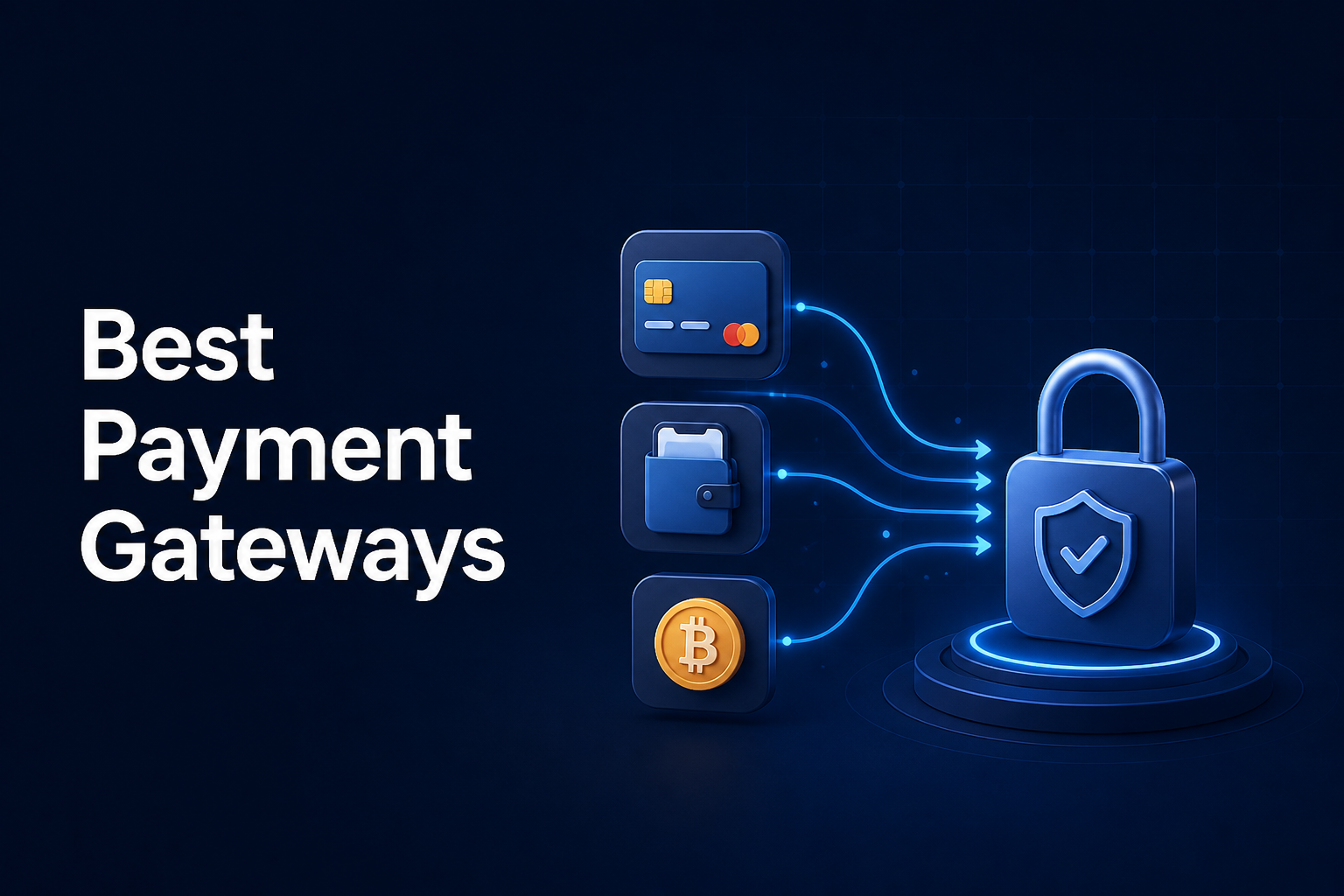
Choosing the right payment gateway is one of the most critical decisions for any online business. It’s not just about accepting money; it’s about providing a smooth, secure, and reliable transaction experience for your customers. For ecommerce websites, the right payment gateways can significantly impact conversion rates, customer satisfaction, and even your operational efficiency.
Understanding Payment Gateways for Your Business
Simply put, a payment gateway is a service that authorizes credit card and other electronic payments for online businesses. Think of it as the digital equivalent of a physical point-of-sale (POS) terminal in a retail store. It securely transfers transaction information from the customer to the acquiring bank and sends a response back to your website.
For any successful ecommerce website, a robust payment gateway is non-negotiable. It ensures customer data protection, handles various payment methods, and keeps your checkout process running smoothly. Without it, accepting online payments would be a complex and risky endeavor.
Top Payment Gateway Options for Ecommerce Websites
With so many options available, finding the perfect fit can seem daunting. Here are some of the most popular and reliable payment gateways that excel in different areas:
-
Stripe
Stripe is a developer-friendly powerhouse known for its flexibility and comprehensive API. It’s favored by businesses of all sizes, from startups to large enterprises, for its ease of integration and global reach.
- Pros: Highly customizable, supports a vast array of payment methods, excellent for international sales, robust fraud protection.
- Cons: Can be more technical to set up for non-developers, standard transaction fees apply.
-
PayPal Business/Payments Pro
PayPal is a household name, offering high brand recognition and trust. Their business solutions, including Payments Pro, allow customers to pay directly on your site or via a redirect to PayPal’s secure portal.
- Pros: Widely recognized and trusted by consumers, easy setup, supports various currencies, includes seller protection.
- Cons: Fees can be higher for smaller transactions, some users report occasional fund holds.
-
Square
While often associated with in-person POS systems, Square also offers excellent online payment processing, especially for businesses that blend online and offline sales. Their simple, transparent pricing is a major draw.
- Pros: Integrated POS and online payments, straightforward pricing, easy to use for small businesses, good for inventory management across channels.
- Cons: Less extensive international support compared to Stripe, some customization limitations.
-
Shopify Payments
If you’re already running your ecommerce website on Shopify, Shopify Payments is often the most seamless choice. It integrates directly with your store, eliminating third-party transaction fees from Shopify itself.
- Pros: Zero transaction fees (beyond payment processing fees), fully integrated with Shopify, easy setup and management, streamlined payouts.
- Cons: Exclusively for Shopify stores, might have higher processing fees than some alternatives for certain business models.
-
Authorize.Net
Authorize.Net is a veteran in the payment gateway space, known for its reliability and advanced features. It’s a popular choice for larger businesses that need a robust, enterprise-level solution.
- Pros: Established reputation, robust security features, supports recurring billing, comprehensive fraud tools.
- Cons: Can have an older interface, requires a merchant account, setup can be more complex.
Key Factors When Choosing Your Payment Gateway
Selecting the best payment gateway for your ecommerce website goes beyond just brand recognition. Consider these crucial aspects:
- Security & PCI DSS Compliance: Your customers’ financial data is paramount. Ensure the gateway is PCI DSS compliant and offers features like tokenization and encryption to protect sensitive information.
- Transaction Fees & Pricing Model: Understand the costs involved – per-transaction fees, monthly fees, setup fees, and chargeback fees. Look for transparency and a model that aligns with your sales volume.
- Integration & Compatibility: How easily does the gateway integrate with your existing ecommerce platform (Shopify, WooCommerce, Magento, etc.)? Seamless integration saves time and prevents technical headaches.
- Supported Payment Methods & Currencies: Offer your customers various ways to pay, including major credit cards, digital wallets, and local payment options. If you sell internationally, multi-currency support is essential.
- Customer Experience: A smooth, quick, and intuitive checkout process is vital to reduce cart abandonment. Look for features like hosted payment pages, embedded forms, and one-click checkout options.
- Fraud Prevention Tools: Effective fraud detection can save your business from significant losses and chargebacks. Many top gateways offer built-in or add-on fraud prevention services.
Making the Right Choice for Your Ecommerce Website
The “best” payment gateway isn’t a one-size-fits-all answer; it’s the one that best suits your specific business needs, target audience, and growth aspirations. Evaluate your transaction volume, international reach, technical capabilities, and budget to narrow down the options.
By carefully considering security, fees, integration, and the overall customer experience, you can select payment gateways that not only process transactions but also contribute to the success and credibility of your ecommerce website.







No Comments